


Introduction
In today’s digital world, every website depends heavily on strong hosting infrastructure. Whether you are running a blog, business website, or online store, your success depends on speed, security, and reliability. This is where CDN SSL and backups why hosting matters becomes an important topic for every website owner.
Modern users expect websites to load instantly and stay secure at all times. If a site is slow or unsafe, visitors quickly leave and never return. That is why hosting is no longer just about storing files on a server. It now includes advanced technologies like CDN, SSL certificates, and automated backups that protect and improve your website.
When we talk about CDN SSL and backups why hosting matters, we are discussing three essential pillars of a strong online presence. A CDN improves speed by delivering content from nearby servers. SSL protects user data by encrypting communication. Backups ensure your website can be restored if anything goes wrong.
Together, these features build trust, improve performance, and secure your digital assets. Without them, even a well-designed website can struggle to survive in competitive search rankings and user expectations.
This article will guide you through everything in simple English so beginners and intermediate users can understand how hosting, CDN, SSL, and backups work together to build a successful website.
What is CDN SSL and Backups Why Hosting Matters?
CDN SSL and backups why hosting matters refers to the combination of three critical hosting features that ensure a website performs well, stays secure, and remains recoverable.
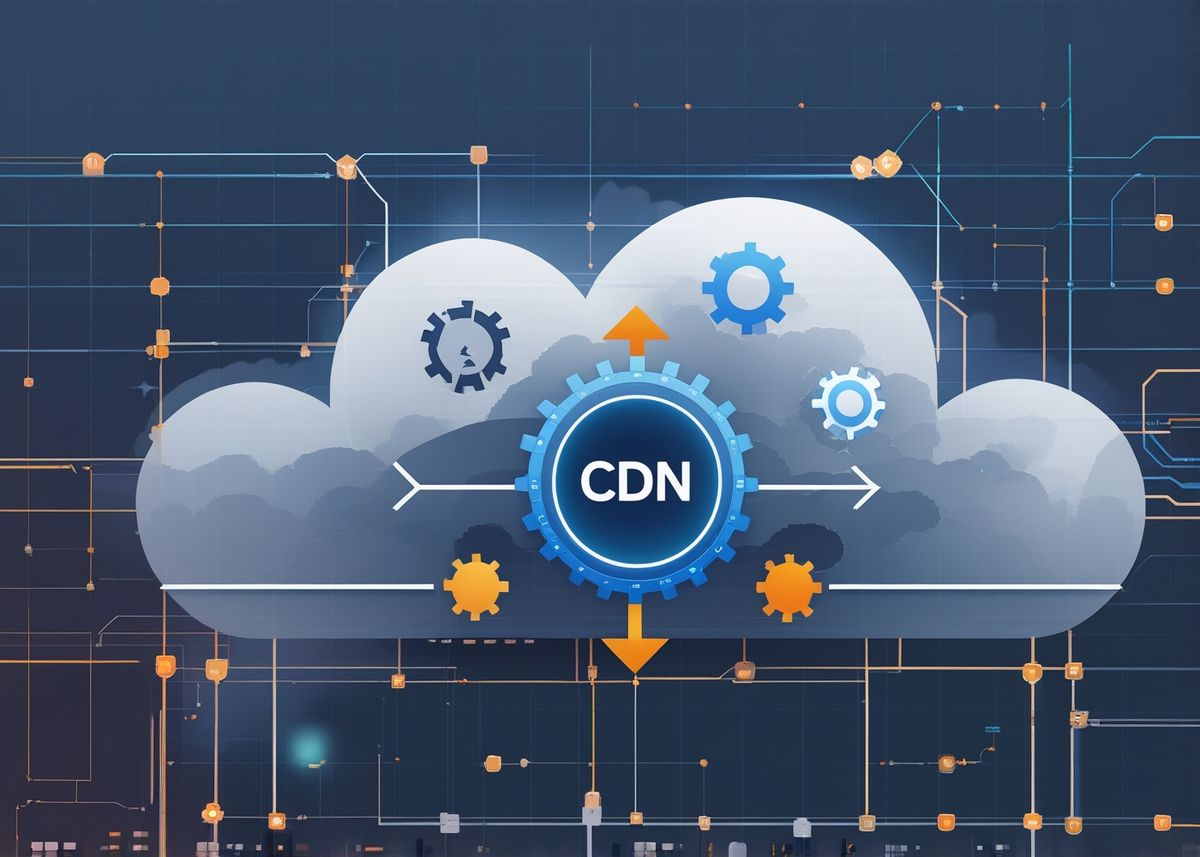
A CDN (Content Delivery Network) is a system of servers distributed across different locations. It delivers website content from the nearest server to the user, improving loading speed.
SSL (Secure Sockets Layer) is a security protocol that encrypts data between the user’s browser and the server. It protects sensitive information like passwords and payment details.
Backups are copies of your website data stored safely. They help restore your website if it crashes, gets hacked, or experiences data loss.
When all three work together under proper hosting, they create a strong foundation for any website. That is why CDN SSL and backups why hosting matters is a key topic in web development and SEO.
Why is CDN SSL and Backups Why Hosting Matters Important?
Understanding CDN SSL and backups why hosting matters is essential because it directly affects website performance, security, and trust.
First, speed plays a huge role in user experience. A CDN reduces loading time, which improves visitor satisfaction and SEO rankings.
Second, security is critical in today’s online environment. SSL ensures that user data remains encrypted and safe from hackers. Without SSL, browsers may even mark your site as “not secure.”
Third, data protection is vital. Backups act as a safety net. If something goes wrong, you can quickly restore your website without losing valuable data.
Additionally, search engines like Google prefer websites that are fast, secure, and reliable. This means CDN SSL and backups why hosting matters also directly impacts your ranking.
In short, without these features, your website is at risk of slow speed, security threats, and permanent data loss.
Detailed Step-by-Step Guide
Step 1: Understanding Hosting Infrastructure
Hosting is the foundation of your website. It is where all your files, images, and databases are stored. Good hosting ensures uptime, speed, and support for advanced features like CDN and SSL.
When selecting hosting, always check for built-in CDN support, free SSL certificates, and automated backup options.
Step 2: Setting Up CDN for Better Speed
A CDN improves website speed by storing cached versions of your site on multiple servers worldwide.
Steps to set up CDN:
- Choose a reliable CDN provider
- Connect your website to the CDN network
- Enable caching for static content
- Test loading speed from different regions
This step is crucial in CDN SSL and backups why hosting matters because speed directly affects user engagement.
Step 3: Installing SSL Certificate for Security
SSL is essential for encrypting data between users and your website.
Steps to enable SSL:
- Get an SSL certificate from your hosting provider
- Install it on your domain
- Redirect HTTP to HTTPS
- Verify secure connection in browser
Without SSL, users may not trust your website, which reduces conversions and traffic.
Step 4: Setting Up Automated Backups
Backups protect your website from unexpected issues.
Steps to configure backups:
- Enable backup feature in hosting dashboard
- Set automatic daily or weekly backups
- Store backups in a secure external location
- Test restoration process regularly
This ensures your website can recover quickly in case of failure.
Benefits of CDN SSL and Backups Why Hosting Matters
- Faster website loading speed for users worldwide
- Improved search engine ranking due to better performance
- Strong data security with encrypted connections
- Protection against hacking and malware attacks
- Quick recovery from technical failures or data loss
- Better user trust and higher conversion rates
- Reduced server load and improved stability
- Enhanced mobile and global accessibility
Disadvantages / Risks
- Advanced hosting plans may cost more
- CDN setup can be confusing for beginners
- SSL misconfiguration may cause website errors
- Backup storage may require extra space or cost
- Over-reliance on third-party services
- Poor CDN selection may reduce performance
- Infrequent backups increase risk of data loss
Common Mistakes to Avoid
Many website owners make mistakes when handling CDN SSL and backups why hosting matters.
Some common mistakes include:
- Ignoring SSL installation after buying a domain
- Not enabling automatic backups
- Using free hosting without CDN support
- Misconfiguring CDN settings
- Forgetting to update backup schedules
- Relying only on hosting provider backups
- Not testing backup restoration regularly
Avoiding these mistakes ensures better website performance and safety.
FAQs
1. What is CDN in simple words?
A CDN is a network of servers that helps deliver website content faster to users based on their location.
2. Why is SSL important for websites?
SSL protects user data by encrypting information between the browser and server, making websites secure and trustworthy.
3. How do backups help a website?
Backups allow you to restore your website if it gets hacked, crashes, or loses data accidentally.
4. Does CDN improve SEO?
Yes, CDN improves loading speed, which is a ranking factor for search engines like Google.
5. Can I use SSL for free?
Yes, many hosting providers offer free SSL certificates for basic website security.
6. How often should I take backups?
It is recommended to take daily or weekly backups depending on how often your website is updated.
7. Is hosting important for small websites?
Yes, even small websites need proper hosting with CDN, SSL, and backups for safety and performance.
Expert Tips & Bonus Points
Experts always recommend choosing hosting that includes built-in CDN SSL and backups why hosting matters features.
Some bonus tips include:
- Always choose hosting with 99.9% uptime guarantee
- Use a CDN with global coverage for better reach
- Enable SSL from day one of your website launch
- Store backups in multiple locations for safety
- Regularly test your website speed and security
- Upgrade hosting as your traffic grows
- Monitor website performance using analytics tools
Following these tips ensures long-term website success.
Conclusion
In conclusion, CDN SSL and backups why hosting matters is not just a technical concept but a foundation of every successful website. Without proper hosting features, even the best-designed websites can fail to perform well in terms of speed, security, and reliability.
A CDN ensures your website loads quickly no matter where your visitors are located. SSL builds trust by protecting sensitive information and ensuring secure communication. Backups provide peace of mind by protecting your data from unexpected failures or cyberattacks.
When all these elements come together, they create a powerful hosting environment that supports growth, improves SEO, and enhances user experience. This is why understanding CDN SSL and backups why hosting matters is essential for anyone managing a website today.
Whether you are a beginner or an intermediate user, investing in the right hosting setup will save you time, money, and stress in the long run. A strong hosting foundation is not optional anymore; it is a necessity for success in the digital world.
