


Introduction
If you run a website, you already know that speed matters. Visitors expect pages to load quickly, and even a small delay can make them leave. That is why learning how to speed up a WordPress website is one of the most important skills for any website owner today. A fast website not only improves user experience but also helps in better rankings on search engines.
Many beginners think that improving speed is complicated, but the truth is different. With the right steps, tools, and understanding, anyone can do it. You do not need advanced coding skills to make your site faster. Even simple changes can bring big improvements.
In this guide, you will learn how to speed up a WordPress website in a clear and practical way. We will cover everything from basic concepts to advanced optimization tips. Whether you are a beginner or someone with some experience, this guide will help you build a faster and more efficient website. By the end, you will have a strong understanding of what affects speed and how to fix it easily.https://hostcloset.com/category/wordpress-guide/https://hostcloset.com/category/wordpress-guide/
What is How to Speed Up a WordPress Website?
How to speed up a WordPress website means improving the loading time and performance of your website built on WordPress. It includes optimizing images, using better hosting, reducing unnecessary plugins, and improving code efficiency.
In simple words, it is the process of making your website load faster for users. A fast website opens quickly, runs smoothly, and gives a better experience to visitors.
For example, if your website takes 5 seconds to load, users may leave. But if it loads in 2 seconds, they are more likely to stay and explore. That is why learning how to speed up a WordPress website is so important for online success.
Why is How to Speed Up a WordPress Website Important?
Website speed affects many areas of your online presence. It is not just about user experience but also about performance and growth.
First, speed improves user satisfaction. Visitors like fast websites and stay longer on them. Second, search engines prefer fast-loading sites, which helps you rank higher. Third, faster websites increase conversions, meaning more sales or leads.
If your website is slow, users may leave before it even loads. This increases your bounce rate and reduces your chances of success.
That is why understanding how to speed up a WordPress website is essential for anyone who wants to grow online.
Detailed Step-by-Step Guide
Choose a Fast and Reliable Hosting
Your hosting plays a major role in website speed. Cheap hosting may slow down your site.
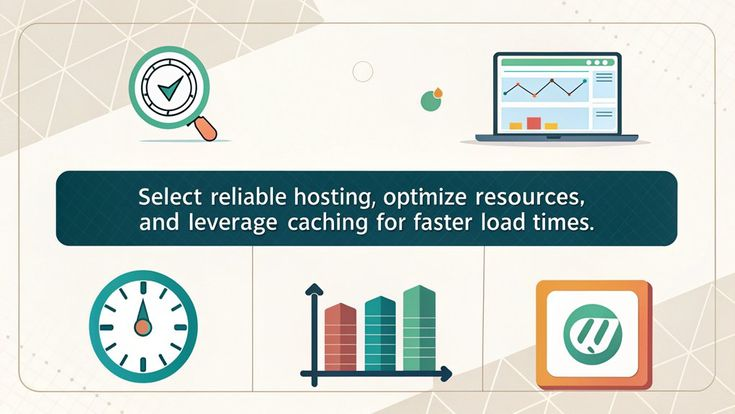
Choose a reliable hosting provider that offers good performance. Managed WordPress hosting is often a great option. It is optimized for speed and security.
Use a Lightweight Theme
Some themes look beautiful but are heavy and slow.
Pick a simple and lightweight theme. Avoid themes with too many built-in features you do not need. A clean design loads faster and works better.
Install a Caching Plugin
Caching helps your website load faster by storing a static version of your pages.
Popular caching plugins can reduce load time significantly. Once installed, they handle most of the work automatically.
Optimize Images
Large images slow down your website.
Always compress images before uploading them. You can also use plugins to automatically reduce image size. Use modern formats like WebP for better performance.
Minify CSS, HTML, and JavaScript
Your website uses different code files to function. These files can be reduced in size.
Minifying removes unnecessary spaces and characters, making files smaller and faster to load. Many plugins can do this easily.
Use a Content Delivery Network (CDN)
A CDN stores copies of your website on servers around the world.
When someone visits your site, the CDN delivers content from the nearest server. This reduces loading time, especially for global audiences.
Reduce Plugin Usage
Too many plugins can slow down your website.
Only keep the plugins you really need. Delete unused or outdated plugins. Always choose well-coded and trusted plugins.
Enable Lazy Loading
Lazy loading delays the loading of images until they are needed.
For example, images below the screen will load only when the user scrolls down. This improves initial load time.
Optimize Database
Over time, your WordPress database collects unnecessary data.
Clean your database regularly to remove old revisions, spam comments, and unused data. This improves performance.
Update Everything Regularly
Keeping your WordPress core, themes, and plugins updated is important.
Updates often include performance improvements and bug fixes.
Benefits of How to Speed Up a WordPress Website
- Faster loading time improves user experience
- Higher search engine rankings
- Better conversion rates
- Lower bounce rate
- Improved mobile performance
- More page views and engagement
- Better overall website performance
Disadvantages / Risks
- Incorrect settings can break your website
- Some plugins may conflict with each other
- Over-optimization can cause errors
- Free tools may have limitations
- Requires regular maintenance
Common Mistakes to Avoid
One common mistake is using too many heavy plugins. This can slow down your site significantly. Another mistake is ignoring image optimization. Large images are one of the biggest causes of slow websites.
Many beginners also choose cheap hosting without considering performance. This often leads to slow loading times.
Not using caching is another big mistake. Caching can greatly improve speed with minimal effort.
Lastly, ignoring updates can cause performance and security issues. Always keep everything updated.
FAQs
1. How long does it take to speed up a WordPress website?
It depends on your current setup. Basic improvements can be done in a few hours, while advanced optimization may take a few days.
2. Do I need coding skills to improve speed?
No, most optimizations can be done using plugins and simple settings. Coding knowledge is helpful but not required.
3. What is the ideal loading time?
A good website should load in under 3 seconds. Faster is always better for user experience.
4. Can plugins slow down my website?
Yes, too many or poorly coded plugins can reduce performance. Always use only necessary plugins.
5. Is shared hosting bad for speed?
Not always, but it can be slower compared to managed or VPS hosting. It depends on the provider.
6. How often should I optimize my website?
You should check and optimize your website regularly, at least once a month, to maintain good performance.
Expert Tips & Bonus Points
Always test your website speed using tools before and after making changes. This helps you understand what works best.
Use fewer external scripts and fonts. Too many external resources can slow down loading.
Enable GZIP compression to reduce file size. This improves loading speed.
Keep your website simple. Clean design and fewer elements load faster.
Use high-quality plugins instead of free random ones. Quality matters more than quantity.
Monitor your website performance regularly. This helps you fix issues early.
Conclusion
Learning how to speed up a WordPress website is not just a technical task, but an essential part of building a successful online presence. A fast website creates a better experience for users, improves your search rankings, and increases your chances of achieving your goals.
The good news is that you do not need to be an expert to make your website faster. By following simple steps like choosing the right hosting, optimizing images, using caching, and reducing unnecessary plugins, you can see significant improvements.
Consistency is the key. Regular maintenance and updates will keep your website running smoothly. Avoid common mistakes and always test your changes to ensure everything works properly.
In the end, speed is not just about performance, it is about trust. When users visit your website and it loads quickly, they feel confident and are more likely to stay. So take action today and apply these tips to build a faster, better, and more successful WordPress website.
